Radhashtami: The Appearance of Srimati Radharani
A quieter, more contemplative festival — the appearance day of Radharani and what Her selfless devotion teaches us about seva.
Updated 8 October 2026
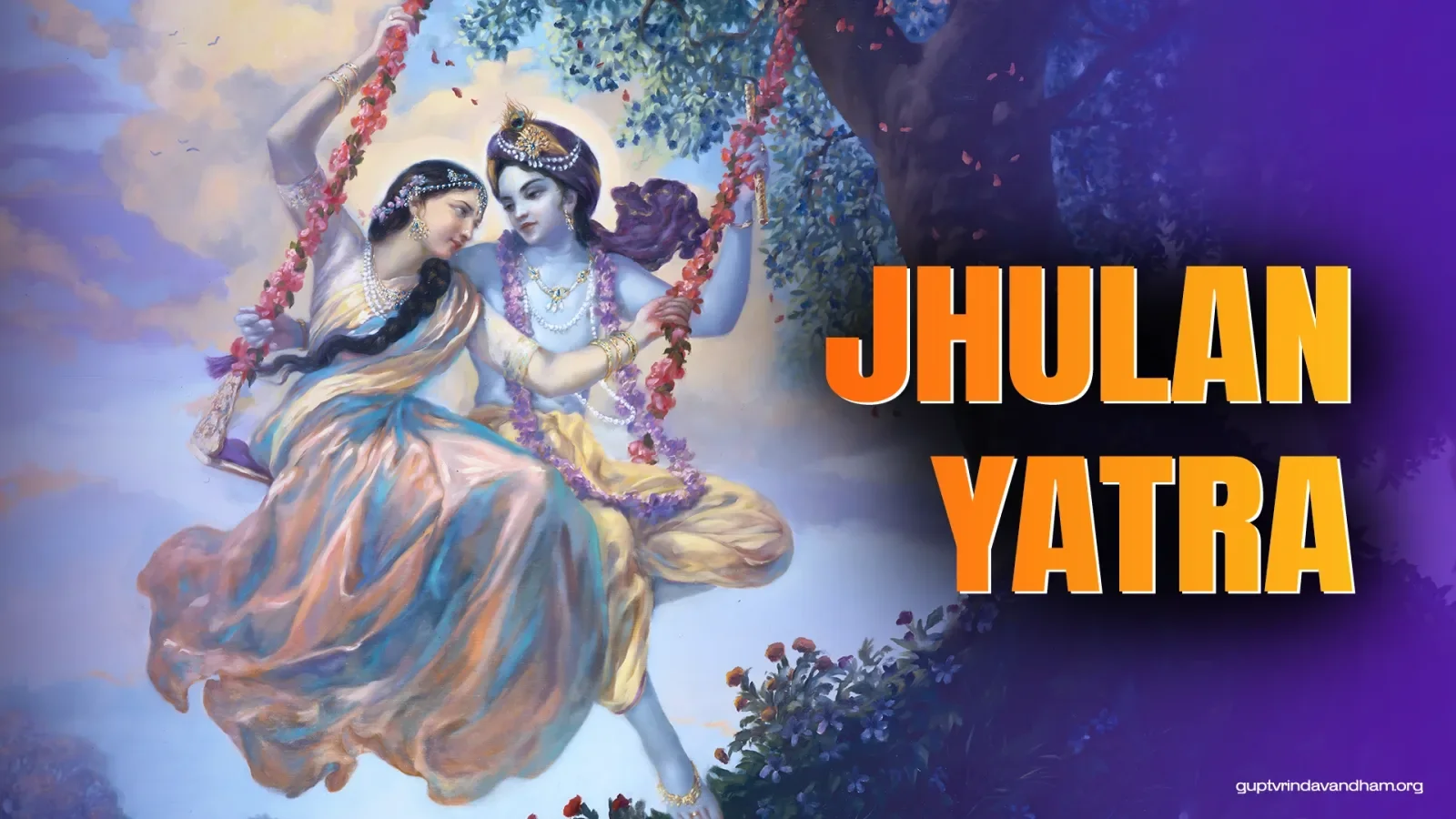
Fifteen days after Janmashtami, the Vaishnava calendar turns to a quieter, gentler celebration — the appearance day of Srimati Radharani, the eternal consort of Lord Krishna and, in Gaudiya Vaishnava theology, the very embodiment of devotional love itself.
Who Is Radharani?
Where Krishna is described as the source of all incarnations, Radharani is described as the personification of His internal pleasure potency — the one whose love for Krishna is considered the highest ideal of devotion, unmixed with any desire for personal gain. Srila Prabhupada would often say that to approach Krishna, one must first approach Radharani, since it is through Her mercy that a devotee's service becomes sweet rather than merely dutiful.
She appeared, according to tradition, in Barsana, near Vrindavan, and Her name — Radha — is said to be derived from the Sanskrit root meaning "worship" or "the one worshipped," reflecting Her unique position among the Vraja gopis.
Observance at the Temple
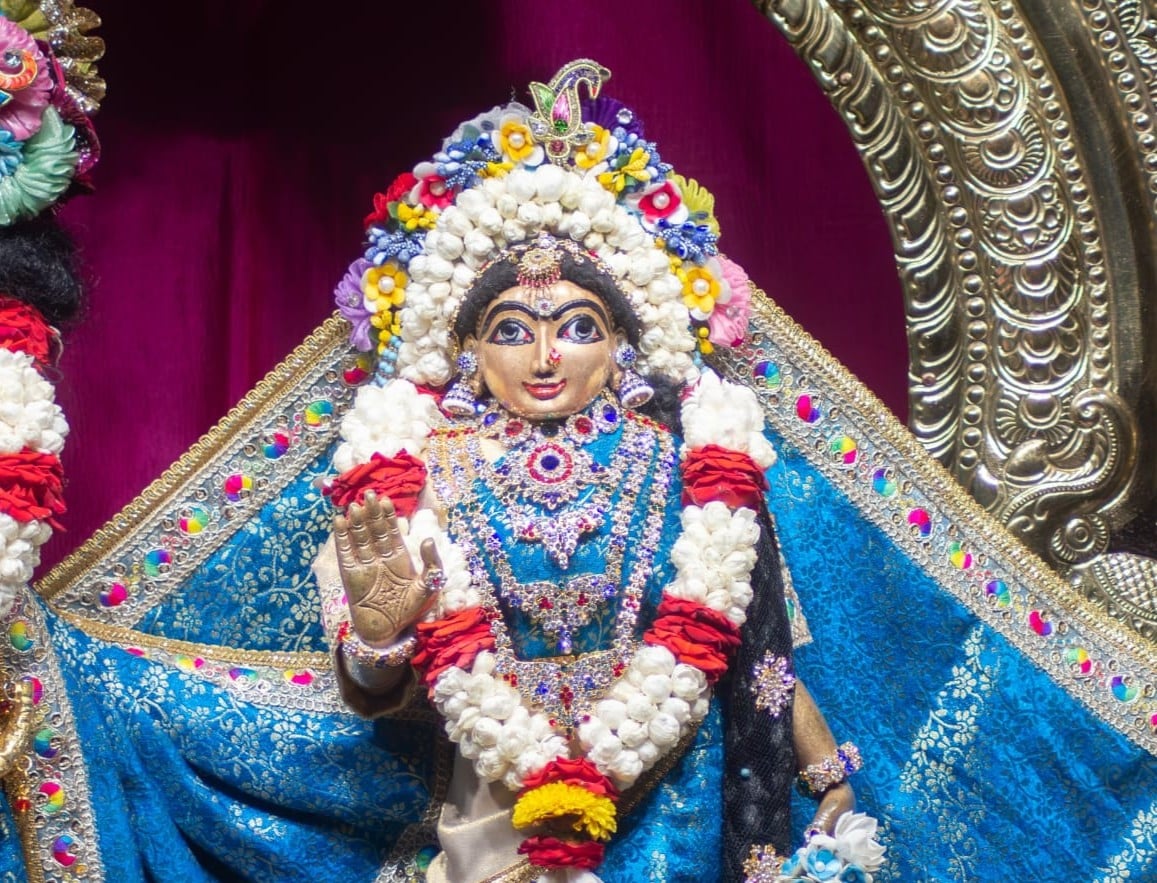
Radhashtami is observed with a fast until noon, followed by an elaborate abhishekam — a ceremonial bathing of the deities with milk, yogurt, honey, ghee, and rosewater, accompanied by continuous chanting of Radharani's names. The deities are dressed afterward in Her favourite colours, often shades of pink and gold, and the day closes with kirtan and a feast offered first to Her.
Unlike the exuberant midnight energy of Janmashtami, Radhashtami carries a softer, more intimate mood — devotees often spend the day reading about Radharani's qualities and Her selfless love, using the occasion for quiet reflection as much as festive celebration.
A Day of Humility
Because Radharani represents the perfection of selfless service, this day is traditionally used by devotees to renew their own commitment to seva — not for recognition or result, but because service itself is considered the highest joy. At Hare Krishna Vaikuntham, many devotees choose Radhashtami as the day to begin a new seva commitment, whether that is a daily chanting vow, a weekly hour of temple service, or a pledge to visit more regularly.
We invite you to join us for the abhishekam and evening kirtan — Radhashtami is one of the more contemplative festivals on our calendar, and a beautiful entry point for anyone curious about the devotional heart of this tradition.