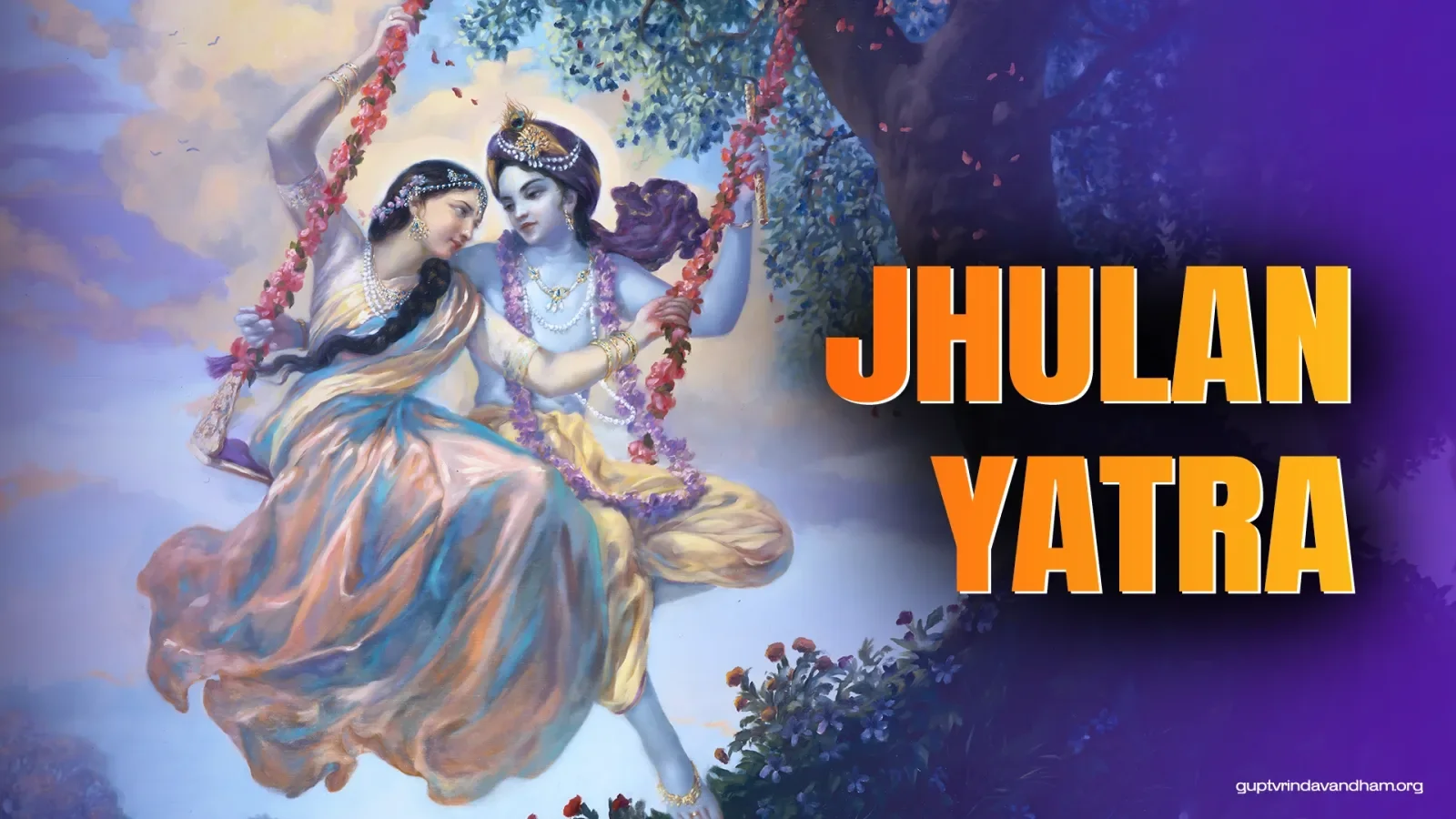
Gaura Purnima: The Appearance of Sri Chaitanya Mahaprabhu
The evening in 1486 that gave rise to public kirtan as we know it today — and why it matters to every Hare Krishna temple.
Updated 8 October 2026
Every Hare Krishna temple traces its practice back to a single evening in 1486, in Navadvipa, Bengal, when a golden-complexioned child was born during a lunar eclipse — a birth that would, centuries later, give rise to the very tradition practiced at Hare Krishna Vaikuntham today.
The Golden Avatar
Sri Chaitanya Mahaprabhu is understood in Gaudiya Vaishnava tradition as Krishna Himself, appearing in the mood and complexion of Radharani to taste and distribute the sweetness of devotional love that He, as Krishna, ordinarily only receives. Unlike many other avatars whose pastimes involve dramatic displays of power, Chaitanya Mahaprabhu's central act was remarkably simple and, at the time, quite radical: He walked through towns and villages leading congregational chanting of the Hare Krishna maha-mantra, insisting that this practice was open to everyone — regardless of caste, social standing, or prior qualification.
This was a significant departure from the more restricted spiritual practices of the era, and it is this open, congregational approach to chanting — sankirtan — that directly shaped how Srila Prabhupada would later present Krishna consciousness to the world, chanting in public parks and streets rather than confining the practice to temple walls.
Why Gaura Purnima Matters to Us Specifically
Where Janmashtami celebrates Krishna's original appearance, Gaura Purnima celebrates the movement that makes His name accessible to ordinary people today. Every kirtan held at our temple, every festival where visitors are invited to chant without needing prior initiation or belief, traces directly back to the precedent Chaitanya Mahaprabhu set five centuries ago.
How We Observe It
The day begins with a fast until moonrise, since Chaitanya Mahaprabhu appeared during a lunar eclipse in the evening. Devotees spend the day in extended kirtan, often processing through the surrounding streets in the same spirit of public sankirtan that defined His mission. As the moon rises, the fast is broken with a feast, and the evening continues with readings from the Chaitanya Charitamrita describing His life and teachings.
Gaura Purnima is, in many ways, the festival that explains why Hare Krishna temples exist at all outside of India — we invite you to join us and experience the very practice that carried this tradition across the world.