Krishnadasa Kaviraja Goswami: The Humble Author of the Chaitanya-charitamrita
Called to Vrindavan by Lord Nityananda, Krishnadasa Kaviraja wrote Mahaprabhu's definitive biography in old age, blessed by Sri Madana-mohana.
Updated 8 October 2026
Every devotee who has read about Sri Chaitanya Mahaprabhu, His sankirtan movement, His conversations with Ramananda Raya and Sanatana Goswami, His ecstasies in Puri, owes that knowledge largely to one elderly Vaishnava living beside Radha Kunda in Vrindavan nearly five centuries ago. His name was Srila Krishnadasa Kaviraja Goswami, and his book, the Sri Chaitanya-charitamrita, is treasured by Gaudiya Vaishnavas as the most authoritative account of Mahaprabhu's life and teachings.
His disappearance day is observed by Vaishnavas during this season. It is a fitting time to remember who he was and why his work matters so much to anyone practising Krishna consciousness today.
A Call From Lord Nityananda
Krishnadasa Kaviraja tells the story of how he came to Vrindavan himself, in the fifth chapter of the Adi-lila of the Chaitanya-charitamrita. He was living in his village of Jhamatpur in Bengal when a kirtan festival was held at his home. A great devotee of Lord Nityananda named Minaketana Ramadasa attended. Krishnadasa's brother, who had faith in Mahaprabhu but not in Nityananda, spoke disrespectfully, and Minaketana Ramadasa left in displeasure. Krishnadasa rebuked his brother for this offence.
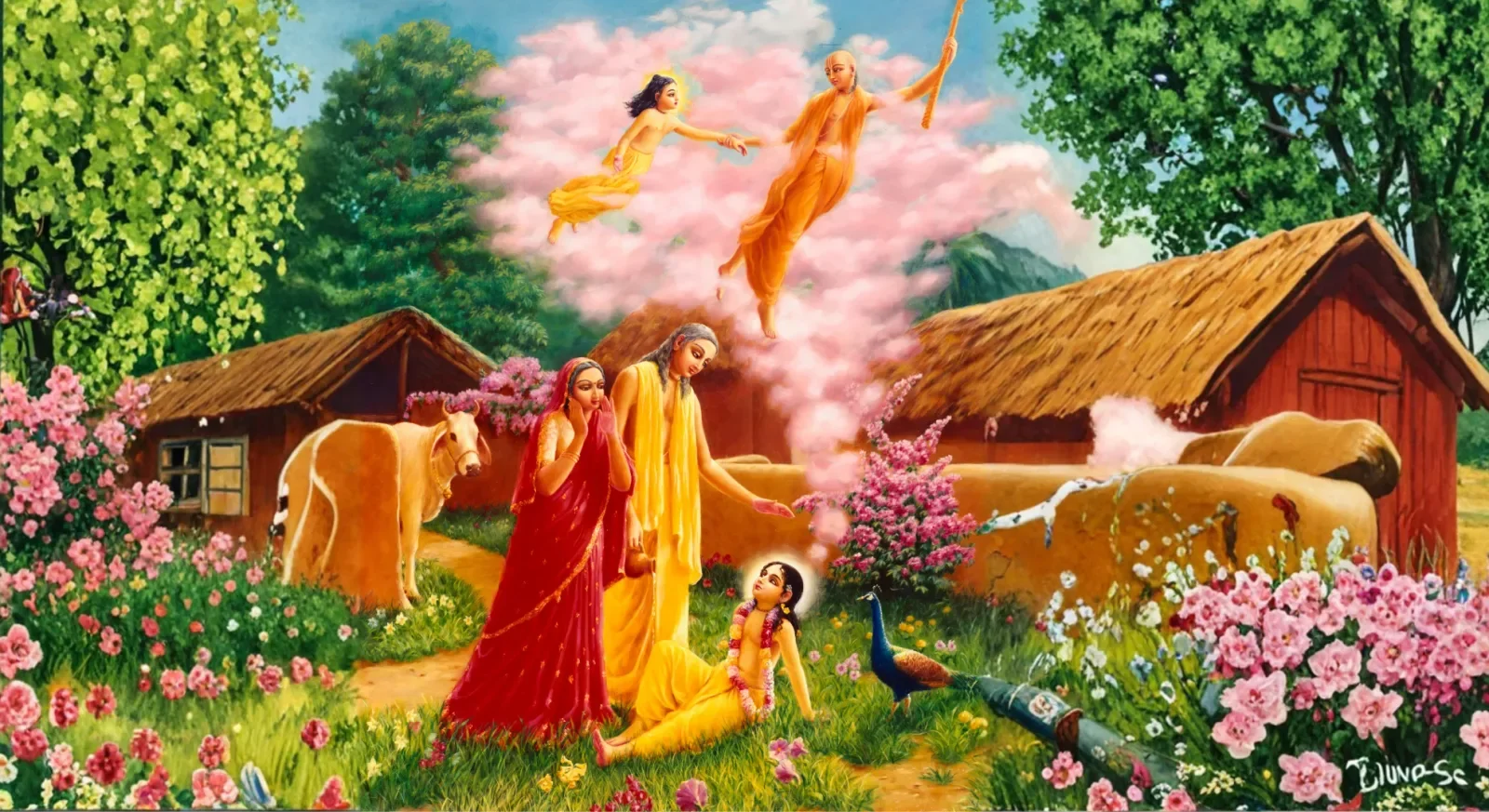
That night Lord Nityananda appeared to Krishnadasa in a dream, pleased with his loyalty, and told him to go to Vrindavan, where he would obtain everything. Krishnadasa set out immediately. In Vrindavan he came under the care of the great Goswamis who were the direct followers of Sri Chaitanya Mahaprabhu.
Six teachers
At the beginning of his book (CC Adi 1), Krishnadasa Kaviraja names the six Goswamis of Vrindavan, Rupa, Sanatana, Raghunatha Bhatta, Jiva, Gopala Bhatta and Raghunatha dasa, as his instructing spiritual masters. He lived for many years with Raghunatha dasa Goswami at Radha Kunda. Raghunatha dasa had personally served Mahaprabhu in Jagannatha Puri and heard the Lord's final pastimes from Svarupa Damodara, the Lord's intimate secretary. Through this living chain, the most confidential details of Mahaprabhu's life reached Krishnadasa Kaviraja.
Writing the Chaitanya-charitamrita
Srila Vrindavana dasa Thakura had already written the Chaitanya-bhagavata, a wonderful biography of Mahaprabhu. But it described the Lord's early pastimes in detail and left much of His later life unexplained. The devotees of Vrindavan requested Krishnadasa Kaviraja to fill that gap.
He was by then very old. Before he began, he went to the temple of Sri Madana-mohana, the Deity worshipped by Sanatana Goswami, to beg permission. As he prayed, a garland slipped from the Deity's neck and fell, and the assembled Vaishnavas took this as the Lord's order (CC Adi 8). For devotees in Visakhapatnam, whose presiding Deities are Sri Sri Radha Madan Mohan, this connection is especially sweet: the Chaitanya-charitamrita was written with the blessings of Madana-mohana.
The structure of the book
The Chaitanya-charitamrita is written in Bengali verse with many Sanskrit verses quoted from the Vedic scriptures. It has three divisions:
- Adi-lila, which establishes the philosophical identity of Mahaprabhu and Lord Nityananda and describes the Lord's early life.
- Madhya-lila, which describes the Lord's travels in South India and to Vrindavan, and contains His detailed teachings to Rupa and Sanatana Goswami.
- Antya-lila, which describes the Lord's final years in Puri, absorbed in the ecstasy of separation from Krishna.
The Humility of a Great Author
What strikes every reader of the Chaitanya-charitamrita is the author's humility. In one well-known passage (CC Adi 5) he describes himself as more sinful than Jagai and Madhai and lower than a worm in stool. At the end of each chapter he signs off with a prayer, placing his hope at the lotus feet of Rupa and Raghunatha. He also mentions that he is writing as an invalid, his hands trembling, simply because the Vaishnavas have asked.
This is not false modesty. It is the natural humility of a pure devotee who sees that any good in his work comes from the mercy of his teachers and the Lord. It reflects the very instruction of Mahaprabhu he records: to chant the Holy Name while being humbler than a blade of grass, more tolerant than a tree, and offering respect to all (CC Adi 17.31).
Key Teachings Preserved in the Chaitanya-charitamrita
Without Krishnadasa Kaviraja's work, many of the foundational teachings of Gaudiya Vaishnavism would not be so clearly available. A few examples:
- The identity of the soul. Mahaprabhu teaches Sanatana Goswami that the constitutional position of the living entity is to be an eternal servant of Krishna (CC Madhya 20.108).
- The Holy Name in this age. The book quotes the Brihan-naradiya Purana: in the age of Kali there is no other way than chanting the Holy Name of the Lord (CC Adi 17.21).
- Love versus lust. It defines lust as the desire to satisfy one's own senses and love as the desire to satisfy Krishna's senses (CC Adi 4.165).
- The rarity of devotion. It explains that by the mercy of guru and Krishna, a fortunate soul receives the seed of devotional service (CC Madhya 19.151).
Srila Prabhupada and the Chaitanya-charitamrita
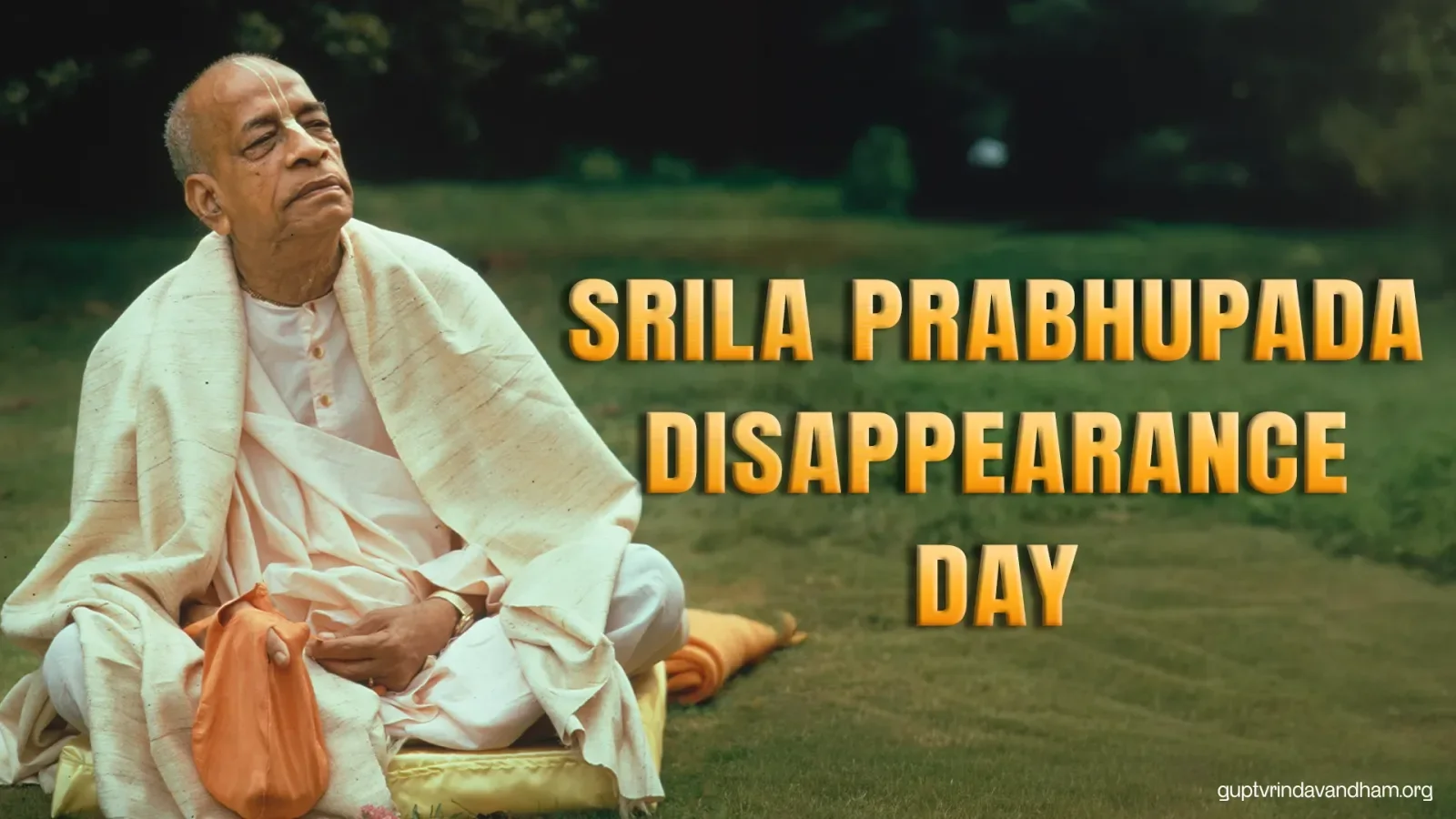
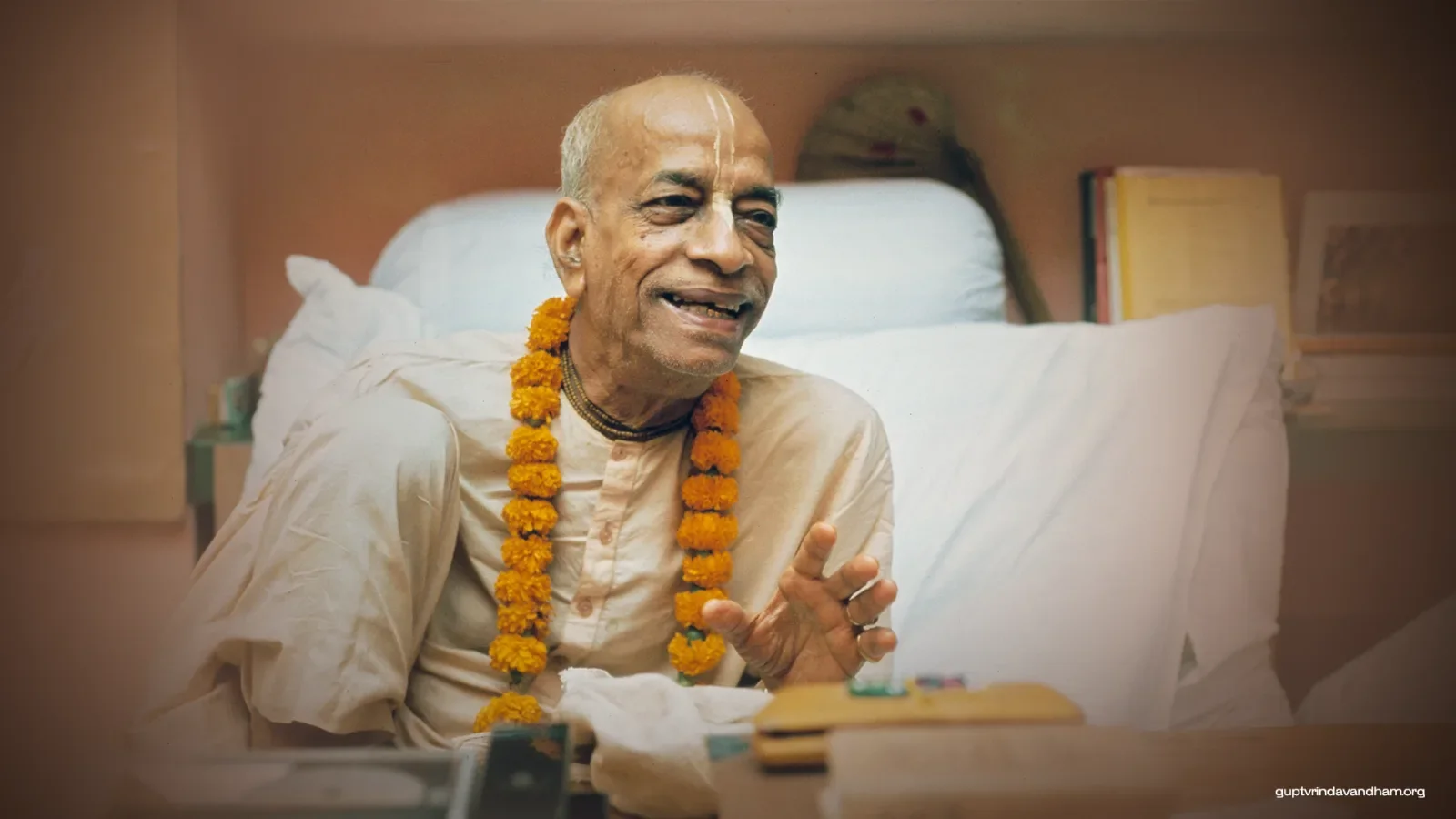
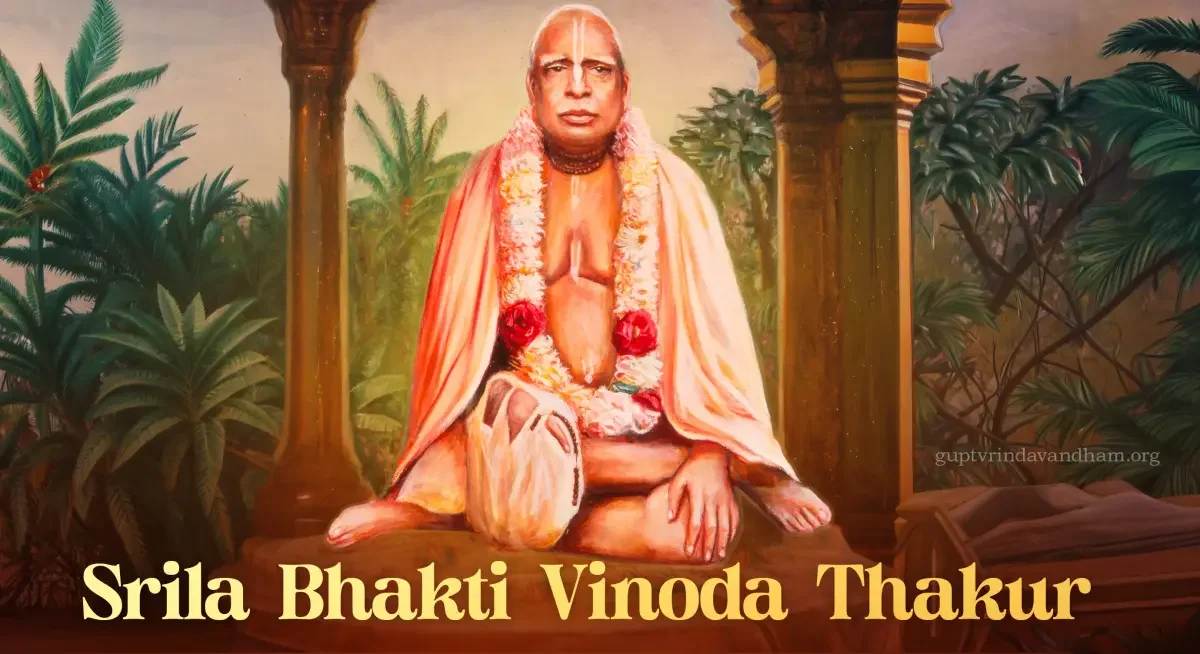
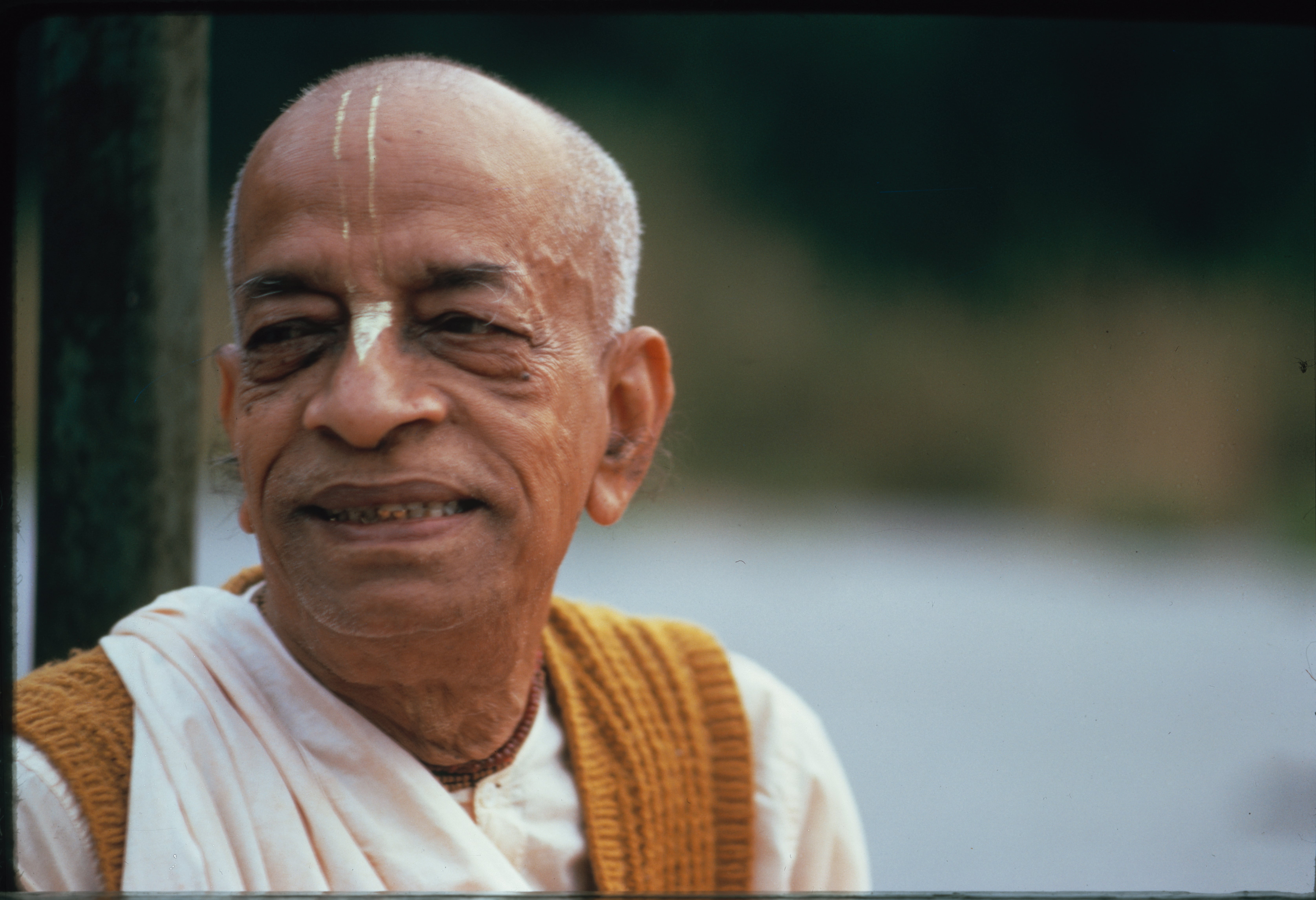
Srila Prabhupada considered the Chaitanya-charitamrita essential for anyone serious about Krishna consciousness. He translated the entire work into English with detailed purports, drawing on the commentaries of Srila Bhaktivinoda Thakura and Srila Bhaktisiddhanta Sarasvati Thakura. Through his translation, readers all over the world can now study Mahaprabhu's teachings in depth. Many devotees read the Bhagavad-gita first, then the Srimad-Bhagavatam, and then the Chaitanya-charitamrita, which Prabhupada described as the postgraduate study of spiritual knowledge.
How to Honour Krishnadasa Kaviraja Goswami
- Begin reading the Chaitanya-charitamrita. Even one chapter of Madhya-lila, such as Mahaprabhu's meeting with Ramananda Raya (Madhya 8), will show you its depth.
- Chant with humility. Recite the "trinad api sunicena" verse before chanting your rounds.
- Offer respect to the Vaishnavas. The whole story of Krishnadasa Kaviraja's life began with his defence of a devotee's honour.
- Serve the mission of book distribution. Help the teachings he preserved reach others.
Study and Serve at ISKCON Visakhapatnam
At the Hare Krishna Vaikuntham Cultural Centre, Sri Sri Radha Madan Mohan preside over a community that studies and lives the teachings preserved by Krishnadasa Kaviraja Goswami. You are welcome to join our classes and kirtans; see the daily schedule. To share this wisdom with others, sponsor books through Gita Daan Seva, or learn more about the acharya who brought it to us on our founder page.
May the mercy of the author of the Chaitanya-charitamrita guide us closer to the lotus feet of Sri Chaitanya Mahaprabhu.