Chaturmas 2026 Start and End date | Food Restrictions, Fasting Rules
Updated 8 October 2026
Chaturmas 2026 Start and End date | Food Restrictions, Fasting Rules
Chaturmas is the sacred four-month period dedicated to devotion, fasting, and spiritual discipline. Discover its 2026 start and end dates, rules to follow, fasting guidelines, and the deeper significance behind this holy time.
8 min readUpdated July 24, 2026
Table of contents
- 1 Chaturmas 2026 Start and End Date
- 2 Importance of Chaturmas
- 3 Chaturmas Food Restrictions
- 4 How to Observe Chaturmas Effectively
- 5 What are the Rules of Chaturmas?
- 6 Benefits of Chaturmas Vrat
- 7 Significant historical events during Chaturmas
- 8 Frequently Asked Questions (FAQs)
The four sacred months of the year, starting from the Hindu month of Ashadha (June-July) up to the month of Kartika (October-November), are known as the Chaturmas, literally meaning "four months." It is observed by the Vaishnavas in the rainy season by performing Chaturmasya Vrat and acute devotional services according to either the lunar or the solar calendar months.
Chaturmas 2026 Start and End Date
Chaturmas begins on July 29, 2026 and ends on November 24, 2026 (Utthana Ekadashi). As per some general Hindu Panchangs, the period is observed slightly earlier, from July 25, 2026 to November 20, 2026.
The date differs slightly between calendars because it is calculated based on the Tithi present at Brahma Muhurat (sunrise), rather than the midnight-based lunar calculation many Panchangs use.
Importance of Chaturmas
Performing devotional services, austerities, simplicity and vratas during these benefitting months results in immense favor of the Supreme Lord Sri Krishna.
Bhavishya Purana mentions: “One who passes the Chaturmasya season without observing religious vows, austerities and chanting of japa, such a fool, although living, should be considered to be a dead man.”
In a conversation, Lord Varaha says to Srimati Bhu Devi: There is a 4-month period in a year known as Chaturmasya wherein any Dana, Vrata, Japa and Homa performed brings forth countless merits. Compared to the noble deeds performed during other months, those performed in these holy months would no doubt yield multifold benefits.
** It is also said that the sun travels in the southern hemisphere and Lord Narayana and all the Demigods go to sleep during this period of four months.
It is very important to note carefully here that the sleeping of Lord Narayan is not ordinary but is known as yoga-nidra, which is a manifestation of his internal potency.
Since Lord Narayana and demigods are sleeping during this time, it is prohibited to perform any materially pious work during Chaturmas.
(like Marriages, Bhoomi Pujan, Grah Pravesh, etc.) However, one should perform more and more spiritual activities during this period to receive the blessings of the Supreme Lord.
Chaturmas Food Restrictions
Chaturmas is observed with specific vrat, also known as Chaturmas Vrat wherein the devotees restrict themselves from eating certain food items on certain months of the Chaturmas. The restrictions are solely aimed to perform austerity and please Lord Krishna.
1. First Month
Avoid Eating: green leafy vegetables (shak vegetables like Palak, Methi and Saraso etc.)
Permitted items: Dhaniya, Pudina, Cabbage and Kari Patta
2. Second Month
Avoid Eating: curds and food items using curds as the main ingredient (like Raita, Lassi, Kadi, Chaach and Shreekhand etc.)
Permitted Items: Food items using curds as side ingredient i.e. in very small quantity
3. Third Month
Avoid Eating: Milk and food items using milk as the main ingredient (like milkshake, rabari, kheer, ice-cream, thandai etc.)
Permitted items: items made by curdling milk (like paneer, rasgulla and cheese etc.)
4. Fourth Month
Avoid Eating: Food Items made from Urad Dahl (like Dosa and urad dahl pakode etc.)
Permitted Items: Use other dahls like Mung for making such items.
** Avoid eating any non-veg, onion and garlic throughout the Chaturmas.
How to Observe Chaturmas Effectively
Chaturmas vrat is an important observance for the spiritual practitioners. It have very simple rules to follow in order to obtain the favor of the Supreme Lord. The sannyasis, who constantly travell and preach the message of Godhead everywhere observe this vrat by restricting their movements and staying at one place (generally some holy place of pilgrimage) and performing their duties. Generally the householders utilise the presence of sannyasis by inquiring from them about the real welfare activities and serving them and hence receiving their favor to advance in spiritual life.
What are the Rules of Chaturmas?
Anyone can very easily observe Chaturmas by following the simple primary rules:
1. Fasting from specific food items in specific months. (as mentioned earlier)
2. Eating food only after offering it to the Supreme Lord.
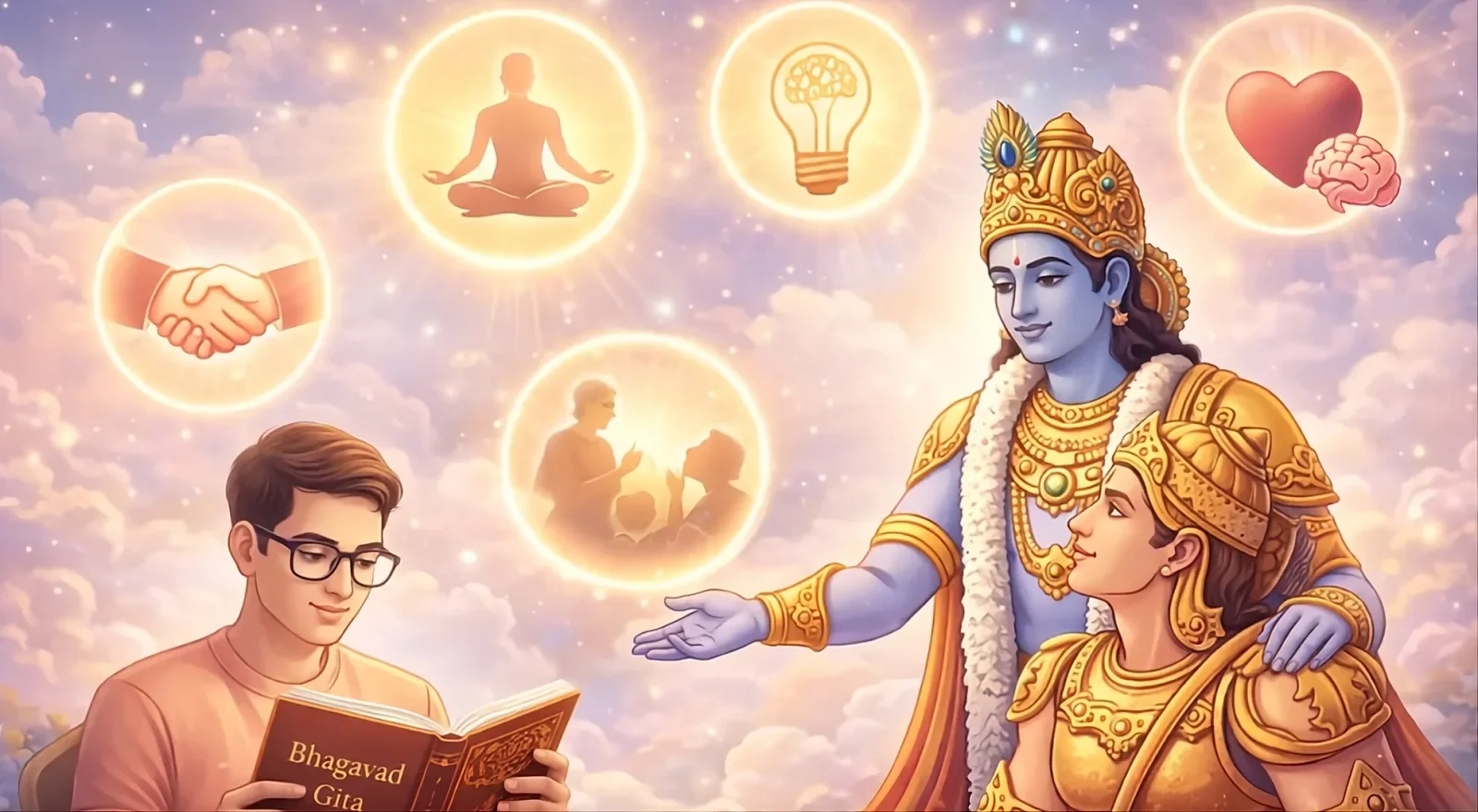
3. Performing more and more devotional services (like chanting Hare Krishna, reading the Bhagavad Gita, visiting the Temple regularly, etc.)
There are certain secondary rules also, which one should try to follow:
1. Perform charity as much as possible.
2. Plant sacred plants like Tulasi and Pipal, etc.
3. Sleeping on the floor and eating as little as possible.
4. Rising early and performing devotional activities.
** As far as possible, one should try to stay at some holy place (pilgrimage) during the period of Chaturmas.
Benefits of Chaturmas Vrat
The essential purpose of observing the Vrat is to restrict the bodily necessities and reduce sense enjoyment. It benefits the performer with:
1. Purification of existence.
2. Blessings of the Supreme Lord Sri Krishna.
3. Advancement in Devotional Service.
In the karma-kāṇḍa section of the Vedas, it is said, apāma somam amṛtā abhūma and akṣayyaṁ ha vai cāturmāsya-yājinaḥ sukṛtaṁ bhavati. In other words, those who perform the four-month penances become eligible to drink the soma-rasa beverages to become immortal and happy forever. (BG: 2.42)
**Observance of Chaturmas vrat is described in the karma-kanda section of the Vedas, which is generally meant to obtain some fruitive results, but the devotees of Lord Krishna follow the rules of Chaturmas vrat not for any material benefits but only to enhance their devotional service.
Significant historical events during Chaturmas
The auspicious Chaturmas period also marks multiple historical events mentioned in revealed scriptures. These potent incidents amplify the importance of the Chaturmas period for devotees.
1. An ordinary Sudra boy became Narada Muni: the incident is mentioned in the Srimad Bhagavatam that Narada Muni, the great, powerful devotee of Lord Krishna, was born in his previous life as the son of a maid servant. He was born in a Sudra family, but during this Chaturmasya period, he got an opportunity to do menial service to Mahabhagavata Devotees. Also, he accepted their Mahaprasadam and, as a result, he received the blessing of seeing Krishna in the very same life. Gradually, he developed a great attachment to the Lord and consequently became Narada Muni, the son of Lord Brahma in his next life.
2. Lord Krishna Stayed in Hasthinapura: During His presence on the earth, Lord Krishna was once requested by King Yudhishthira to stay in his kingdom called Hastinapura. Lord Krishna accepted the request of His devotee and stayed with him during the Chaturmas period.
3. Caitanya Mahaprabhu accepted Gopal Bhatta Goswami: During one Chaturmasya, Lord Sri Krishna Caitanya Mahaprabhu visited and stayed in the Sri Rangam kshetra. There, He had a conversation with Venkata Bhatta and changed his heart to worship Lord Krishna as the Supreme Personality of Godhead. Then he accepted his son, Gopal Bhatta, as His servant.
4. Srila Madhavendra Puri stayed in Jagannath Puri: when Sri Gopal, the deity of Srila Madhvendra Puri, asked him to bring sandalwood to apply on Him, Srila Madhvendra Puri travelled to Jagannath Puri, and there he stayed during the period of Chaturmas.
5. Navadvip Devotees would visit Sri Caitanya Mahaprabhu: while Sri Caitanya Mahaprabhu was staying at Jagannath Puri, all His devotees from Navadvip would visit Him every year on the Rath Yatra festival. After the Yatra, all would stay with the Lord for the whole duration of Chaturmas to associate with Him.
Frequently Asked Questions (FAQs)
1. Can we travel during Chaturmas?
Ans. No. During the period of Chaturmas, the sannyasis avoid travelling and stay at one holy place while practicing intense devotional services. As a practitioner, one should try to avoid travelling during this period as much as possible and should focus on devotional activities. However, in case of some urgent work or emergency one can travel but only as much as absolutely needed.
2. Can children and the elderly follow it fully?
Ans. Yes. As per the rules, there is no difficulty for both children and elderly people to follow the Chaturmas Vrat. There are very simple rules to avoid certain food items and perform devotional services as much as possible, and these can be followed by everyone without much difficulty. However, in case of some medicinal use, we can take the forbidden food items as per absolute need.
3. Is it compulsory to fast for all four months?
Ans. Yes. The fasts recommended for Chaturmasya and other auspicious days like Ekadashi and Janmashthami, etc., are observed for the advancement in spiritual life by enhancing the austerities and reducing bodily demands. If one is serious about progressing on the spiritual path of life, one must strictly observe all the recommended rules and regulations.
4. What if I miss one rule?
Ans. One must be very careful in observing all the recommended rules of Chaturmas. However, if there is any inattention, it will consequently affect the benefits derived from the vrat. If some rule is missed, one should pray to the Lord for forgiveness and ask for strength to follow the vrat with rigidity.
Conclusion:-
Devotional Activities performed during the period of Chaturmas yield immense blessings of Lord Krishna. By reducing the bodily necessities, staying in holy places and associating with great devotees, one should try to utilise this holy period of the year. One should perform more and more austerity, charity and devotional services in Chaturmas to purify one's existence and please Lord Sri Krishna.